
Polity aims to advance democratic consciousness, gender equality, state reform, and social change in Sri Lanka, while interested in South Asia and the World.
As its predecessor Pravada (1991-2002), Polity is published by the Social Scientists’ Association in Colombo, with critical content on politics, political economy, history, women, ethnicity, sexualities, religion, labour studies, agrarian relations, nationalisms, violence, ecology, and much more.
In 2024’s elections, lessons from 2015
Devaka Gunawardena
Ahead of the 2015 Presidential Elections that were held on 8 January, Mahinda Rajapaksa seemed unlikely to be...

Brotherless Night by V.V. Ganeshananthan. Manhattan: Random House, 2023
Reviewed by Vasugi Kailasam
Brotherless Night is V. V. Ganeshananthan’s second novel. I read this novel in late July 2023, with a fevered reminder...
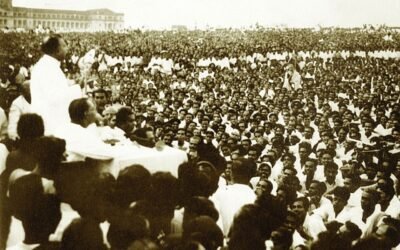
Ceylon’s ‘Great Hartal’ of 1953: The Masses Enter History
B. Skanthakumar
NM Perera addresses Galle Face Rally 23 July 1953 “It was the class struggle in free flow and it constituted the...

Claiming Identity, Dignity, and Justice: Malaiyaha Tamils of Sri Lanka
B. Skanthakumar
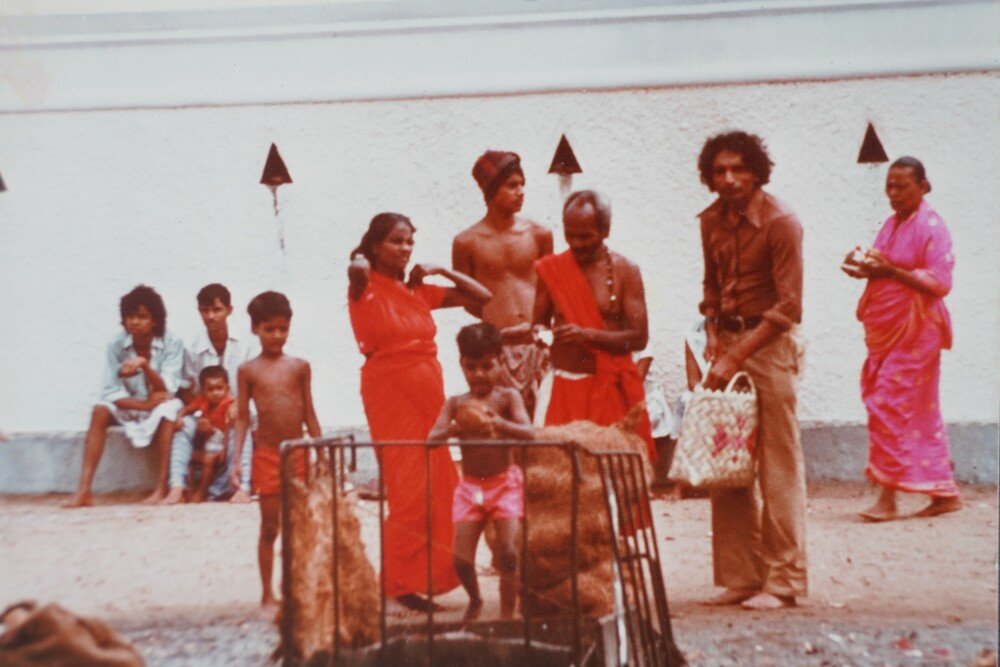
The 150th anniversary of the beginning of the tea industry in British Ceylon was marked in 2017 by a range of...
Hyper-Reforms amidst Hyper-Austerity
In an ongoing economic crisis whose fundamental causes the ruling class has absolute disinterest in tackling, an...

Abolish Marriage? Kanchuka Dharmasiri’s play Surpanakha
Liyanage Amarakeerthi
The Ramayana has many retellings, and there will be more to come. Kanchuka Dharmasiri’s new play, Surpanakha (2022),...
Current Issue

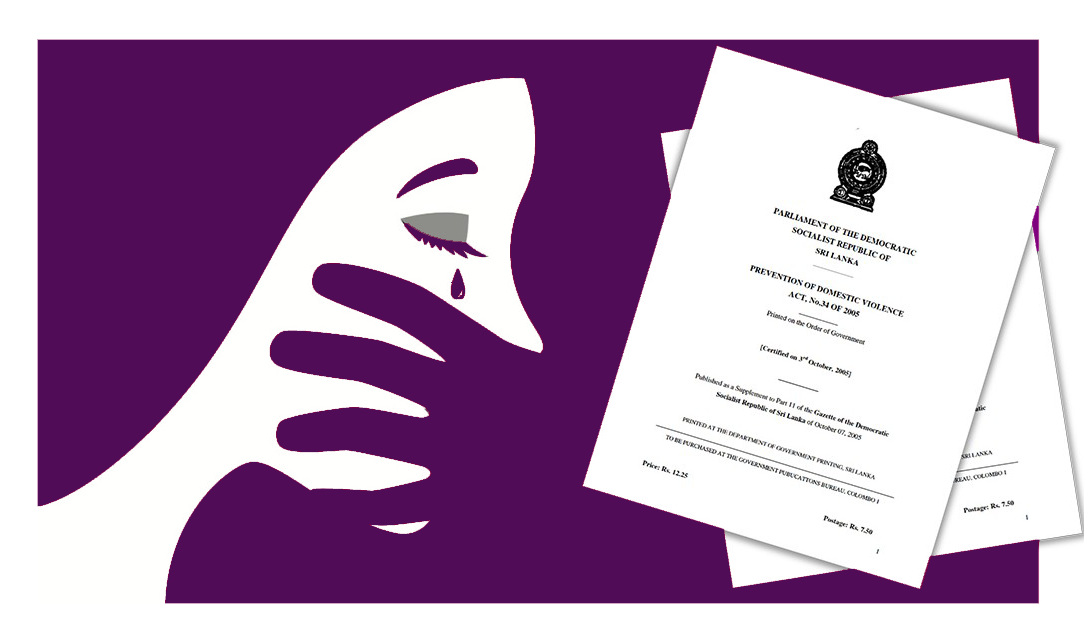
Out Now! Vol. 13 No. 2 (July – December 2025). 148 pages. #SriLanka. Politics. Cyclone Ditwah. Ecology. Feminism. Education. Justice. Domestic Violence Act. History. Culture. Work. Labour. Books. Cover Picture Sakuna M. Gamage. LKR1000 from the Social Scientists’ Association or Barefoot or SLBOOKS.lk.
Calls
Archive
Pravada (1991-2002) and Polity (2003-) back issues available here.

Social Scientists’ Association
The Social Scientists’ Association (SSA) was founded in 1977, at a turning point in Sri Lankan politics, economy, and society, marked by among other aspects: the ‘open economy’ market reforms; deepening ethnic conflict; and the growing concentration of executive power. Its initiators were academics from public universities, seeking an autonomous space to grapple with these shifts; and to promote progressive political, economic, and social change.