Polity aims to advance democratic consciousness, gender equity, state reform, and social change in Sri Lanka, while interested in South Asia and the World.
As its predecessor Pravada (1991-2002), Polity is published by the Social Scientists’ Association in Colombo, with critical content on politics, political economy, history, women, ethnicity, sexualities, religion, labour studies, agrarian relations, nationalisms, violence, ecology, and much more.
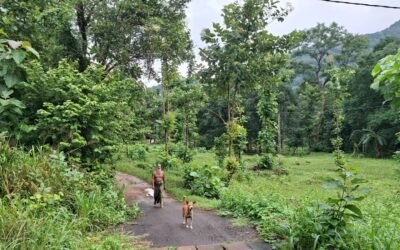
A Funeral in Rathugala
Amalini De Sayrah
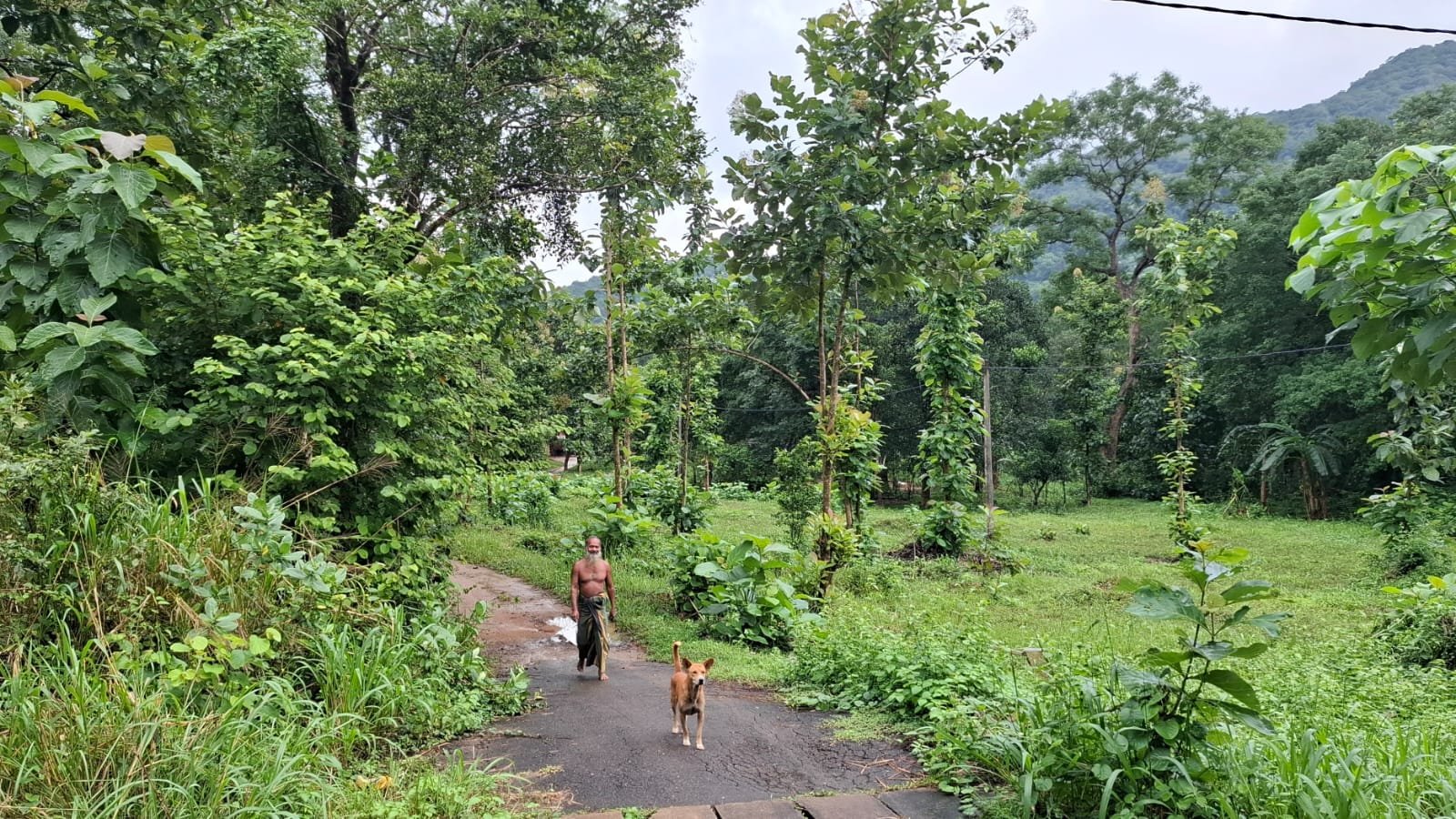
May 9th is an overcast day in Rathugala. Figures dressed in white zoom past on motorbikes or walk slowly through the...
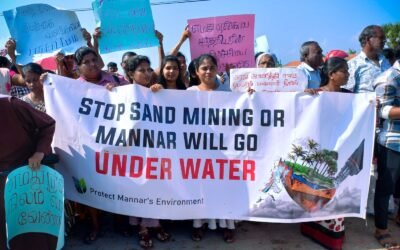
Mining Heavy Mineral Sands: Deepening Dependency, Not Enhancing Leverage
Amali Wedagedara
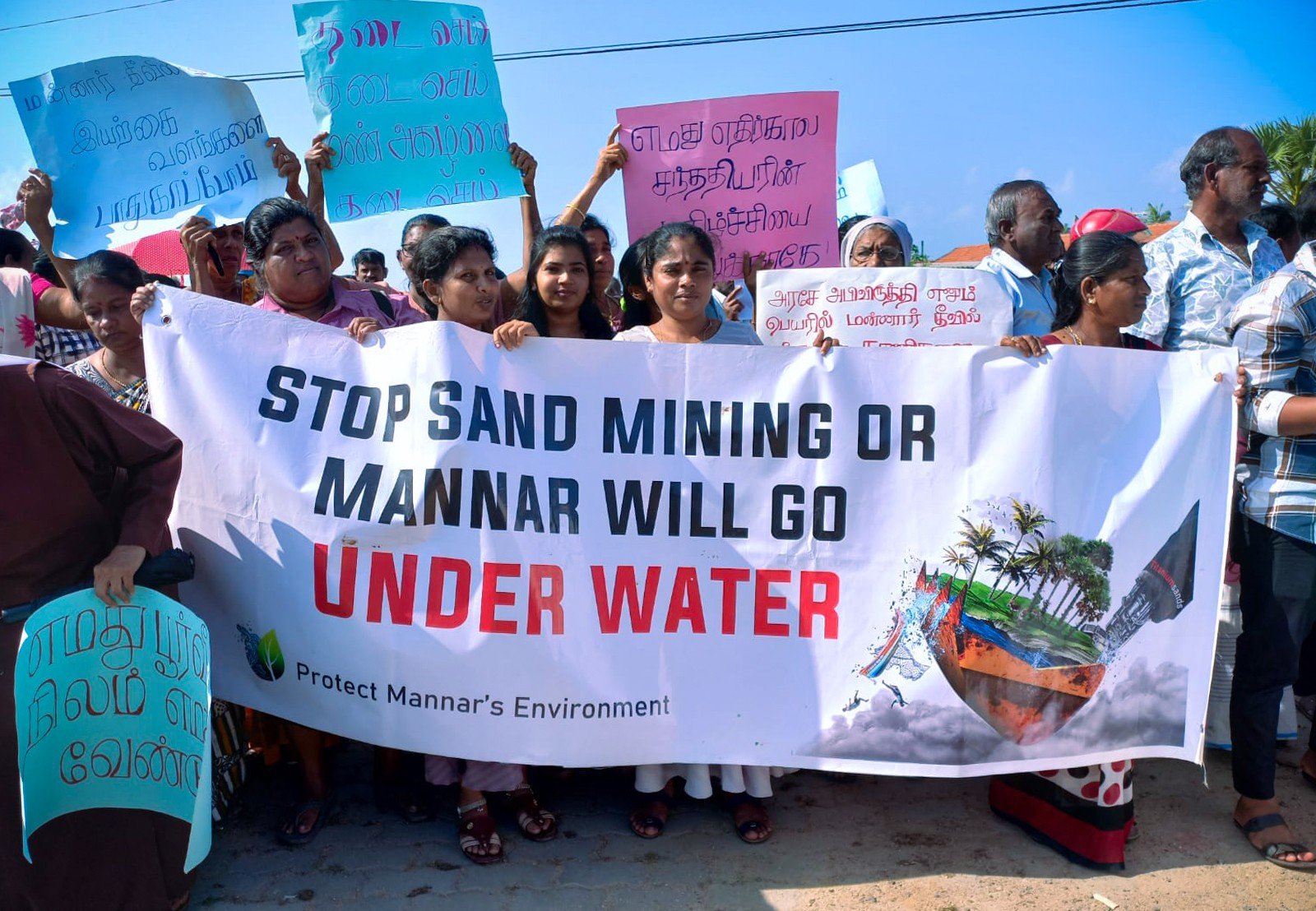
The decision to mine mineral sands along two-thirds of Sri Lanka’s coastline is fuelling anxiety and tension among...
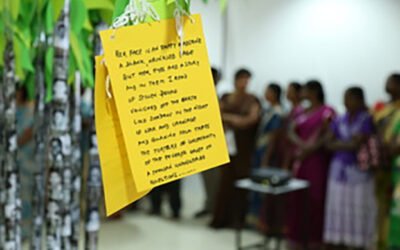
The Art of Witness: Memory and Resistance in Sri Lanka
Yolanda Foster
When I first arrived in Colombo in the 1990s, I was in my twenties and had just begun a volunteer role with Peace...

‘Border villages’: Emergence, Salience, and implications for ‘Community’ in Sri Lanka
Viyanga Gunasekera
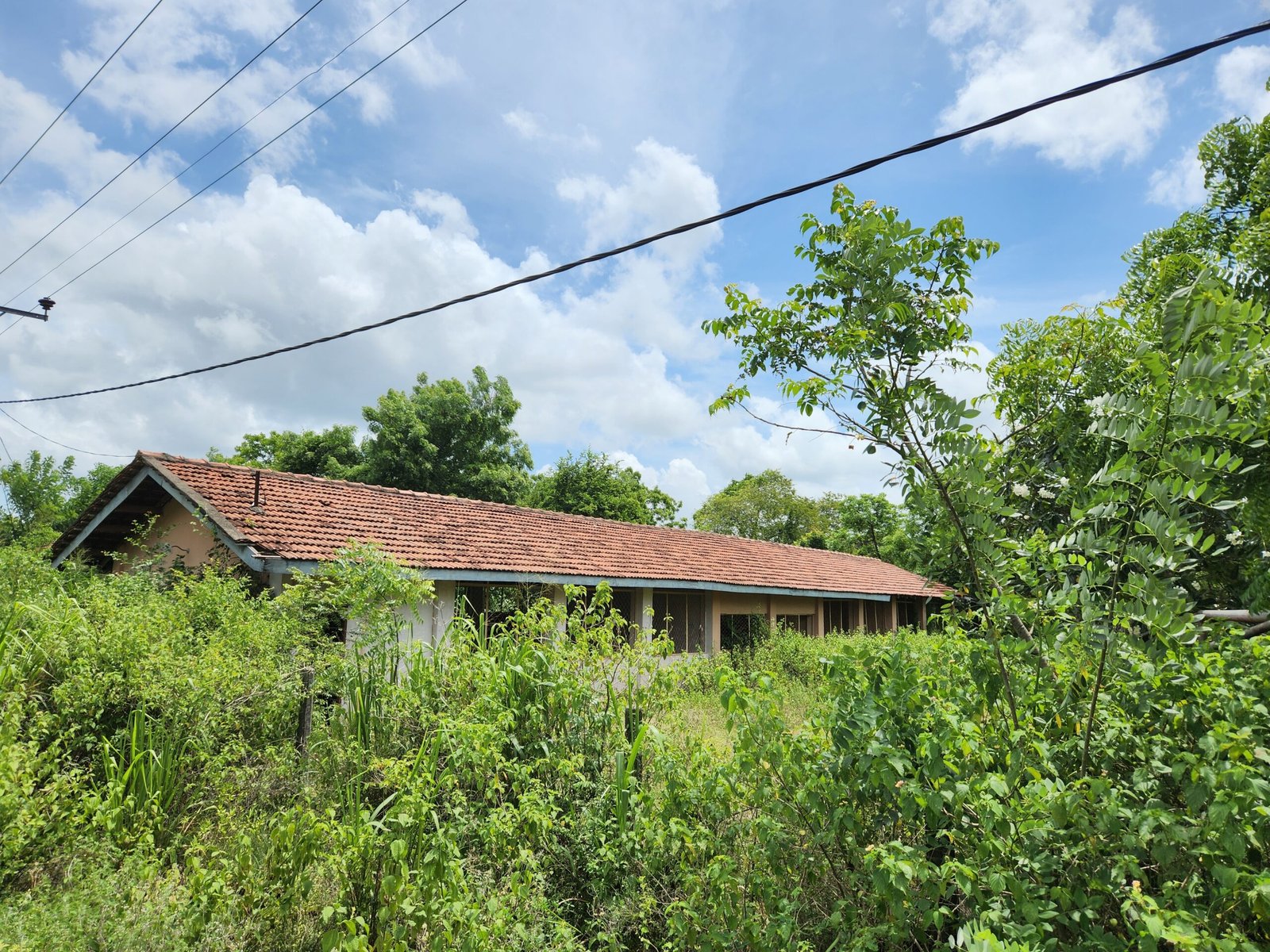
Despite Sri Lanka being an island and not sharing land borders with another country, the term ‘border villages’...

Image-Based Sexual Abuse, and Consent, in the Digital Age
Sely Liyanage
The rapid development of digital technologies has created new forms of content and new forms of harm. Some content is...
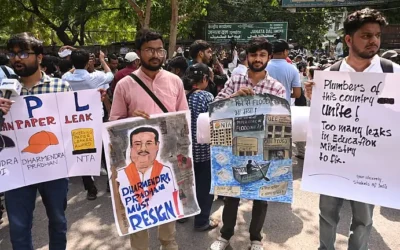
India’s Youth Protest and the Limits of Demand-Driven Mobilisation
Manoranjan Pegu
The recent protests ‘led’ by the Cockroach Janta Party (CJP) in India, have been seen as the latest addition to South...
Current Issue
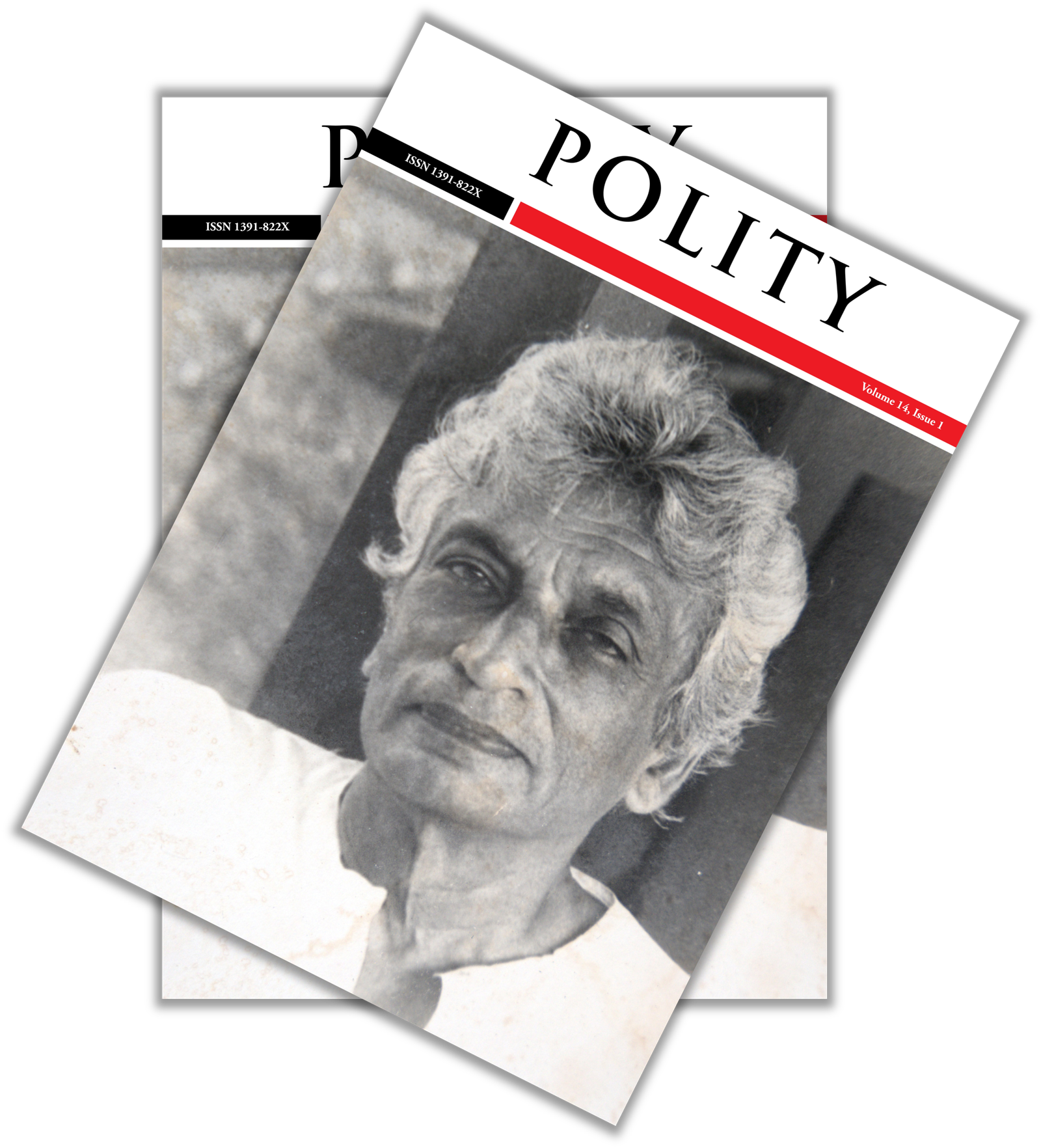
Vol. 14 No. 1 (January – June 2026). 134 pages. Gananath Obeyesekere Memorial. NPP and Neutrality. Iran Solidarity. Justice for Easter Sunday. Chemmani. Cyclone Ditwah. Flood Relief. Microfinance Bill. Peasant Politics. Lunar Calendar. Partitions. Women’s Health. Malaiyaha History. Diasporic memory. Mannar’s ecology. Aloysius Peiris SJ. Cover image Ranjini Obeyesekere. LKR1000 from the Social Scientists’ Association or Barefoot or SLBOOKS.lk.
Archive
Pravada (1991-2002) and Polity (2003-) back issues available here.

Social Scientists’ Association
The Social Scientists’ Association (SSA) was founded in 1977, at a turning point in Sri Lankan politics, economy, and society, marked by among other aspects: the ‘open economy’ market reforms; deepening ethnic conflict; and the growing concentration of executive power. Its initiators were academics from public universities, seeking an autonomous space to grapple with these shifts; and to promote progressive political, economic, and social change.