
Polity aims to advance democratic consciousness, gender equality, state reform, and social change in Sri Lanka, while interested in South Asia and the World.
As its predecessor Pravada (1991-2002), Polity is published by the Social Scientists’ Association in Colombo, with critical content on politics, political economy, history, women, ethnicity, sexualities, religion, labour studies, agrarian relations, nationalisms, violence, ecology, and much more.

Aragalaya: Struggle for Space and the Spaces of the Struggle
Nihal Perera
The Aragalaya was the largest gathering of people to protest a national government in Sri Lanka. February 2022 saw the...
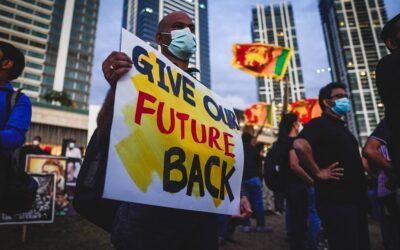
The Election That Was
B. Skanthakumar
Sri Lanka has a new president. That the incumbent would lose was not in doubt. Who might replace him though was in...

Sri Lanka presidential election: From citizens’ protests to regime change
Jayadeva Uyangoda
The election of Anura Kumara Dissanayake as Sri Lanka's president on September 21 is an event of historic significance...
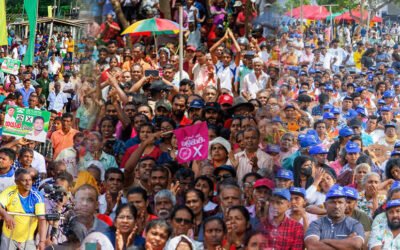
The Show
Natasha Ranawake
“That's all, ladies and gentlemen, that's all. Come again to the greatest show on earth. Bring the children. Bring the...

Political Parties in the Mirror of the 2024 Presidential Election in Sri Lanka
Jayadeva Uyangoda and Pradeep Peiris
“Democracy is unthinkable without political parties”, a US political scientist once said (Schattschneider: 1942). He...

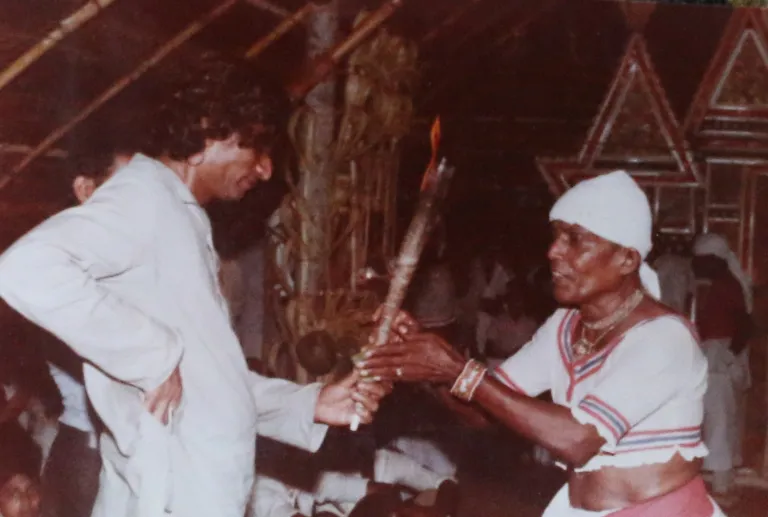
The Empathic Sinhala Short Story: Gahaniyak by Martin Wickramasinghe
Jayadeva Uyangoda
In participating in this celebration to mark the centenary of the publication of Martin Wickramasinghe’s short story...
Current Issue

Out Now! Vol. 13 No. 2 (July – December 2025). 148 pages. #SriLanka. Politics. Cyclone Ditwah. Ecology. Feminism. Education. Justice. Domestic Violence Act. History. Culture. Work. Labour. Books. Cover Picture Sakuna M. Gamage. LKR1000 from the Social Scientists’ Association or Barefoot or SLBOOKS.lk.
Calls
Archive
Pravada (1991-2002) and Polity (2003-) back issues available here.

Social Scientists’ Association
The Social Scientists’ Association (SSA) was founded in 1977, at a turning point in Sri Lankan politics, economy, and society, marked by among other aspects: the ‘open economy’ market reforms; deepening ethnic conflict; and the growing concentration of executive power. Its initiators were academics from public universities, seeking an autonomous space to grapple with these shifts; and to promote progressive political, economic, and social change.