
Polity aims to advance democratic consciousness, gender equality, state reform, and social change in Sri Lanka, while interested in South Asia and the World.
As its predecessor Pravada (1991-2002), Polity is published by the Social Scientists’ Association in Colombo, with critical content on politics, political economy, history, women, ethnicity, sexualities, religion, labour studies, agrarian relations, nationalisms, violence, ecology, and much more.

Abolish Marriage? Kanchuka Dharmasiri’s play Surpanakha
Liyanage Amarakeerthi
The Ramayana has many retellings, and there will be more to come. Kanchuka Dharmasiri’s new play, Surpanakha (2022),...
Women’s Labour Force Participation: Three Themes
Chulani Kodikara
The IMF Staff Report on Sri Lanka released in March 2022 outlined a number of policy prescriptions to address Sri...
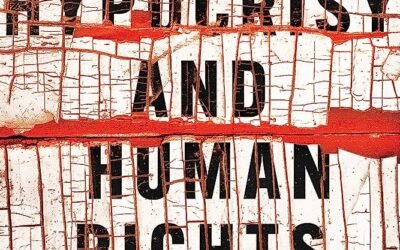
Hypocrisy and Human Rights: Resisting Accountability for Mass Atrocities Kate Cronin-Furman. Ithaca: Cornell University Press, 2022
Reviewed by Radhika Coomaraswamy
When I was given Kate Cronin-Furman’s book Hypocrisy and Human Rights to review, I imagined a different kind of...
Feast, Famine, and Hegemony: On Neoliberalisation and Hindu Nationalism in India
Alf Gunvald Nilsen
Last year, in September 2022, Fortune Magazine reported that India was home to the second richest person in the world....
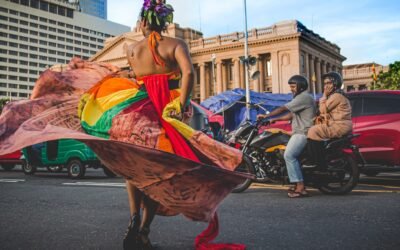
Test for Real Life? The Gender Transition Process in Sri Lanka
Kaushalya Ariyarathne
The earliest record of sex reassignment surgery in a Sri Lankan public hospital can be traced back to 2003. Even...
May Day Diary 2023
B. Skanthakumar
The sky is clear over Colombo on the morning of 1 May 2023. This is a relief for May Day organisers and participants...
Current Issue

Out Now! Vol. 13 No. 2 (July – December 2025). 148 pages. #SriLanka. Politics. Cyclone Ditwah. Ecology. Feminism. Education. Justice. Domestic Violence Act. History. Culture. Work. Labour. Books. Cover Picture Sakuna M. Gamage. LKR1000 from the Social Scientists’ Association or Barefoot or SLBOOKS.lk.
Calls
Archive
Pravada (1991-2002) and Polity (2003-) back issues available here.

Social Scientists’ Association
The Social Scientists’ Association (SSA) was founded in 1977, at a turning point in Sri Lankan politics, economy, and society, marked by among other aspects: the ‘open economy’ market reforms; deepening ethnic conflict; and the growing concentration of executive power. Its initiators were academics from public universities, seeking an autonomous space to grapple with these shifts; and to promote progressive political, economic, and social change.