
Polity aims to advance democratic consciousness, gender equality, state reform, and social change in Sri Lanka, while interested in South Asia and the World.
As its predecessor Pravada (1991-2002), Polity is published by the Social Scientists’ Association in Colombo, with critical content on politics, political economy, history, women, ethnicity, sexualities, religion, labour studies, agrarian relations, nationalisms, violence, ecology, and much more.
Polity turns 30!
30 years ago, the Social Scientists’ Association (SSA) of Sri Lanka began publishing in print an English-language...
Debating the Transition from a Closed to an Open Economy
Devaka Gunawardena
The year of 1977 has become a highly charged symbol for understanding the current crisis. After the transition from a...
‘Executive Authoritarianism’ as Sri Lanka’s New Political Normal since COVID-19*
Jayadeva Uyangoda
The ways in which countries from the global North to the global South have politically managed the unprecedented...

Tea Smallholders in Sri Lanka’s Organic Fertiliser Crisis
Kaushini Dammalage
The plantation economy took root in Sri Lanka (then Ceylon) with the onset of British colonialism in the 19th century....
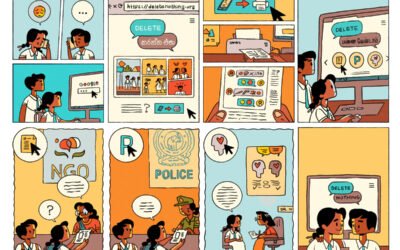
Making ‘Delete Nothing’: Making a Feminist Internet
Zainab Ibrahim and Sachini Perera
Delete Nothing is a trilingual platform that aims to document technology-related gender-based violence (GBV) in Sri...
World Class City
Abdul Halik Azeez
“Here is the City Paranoiac. All these long centuries, growing over the country-side? like an intelligent creature. An...
Current Issue
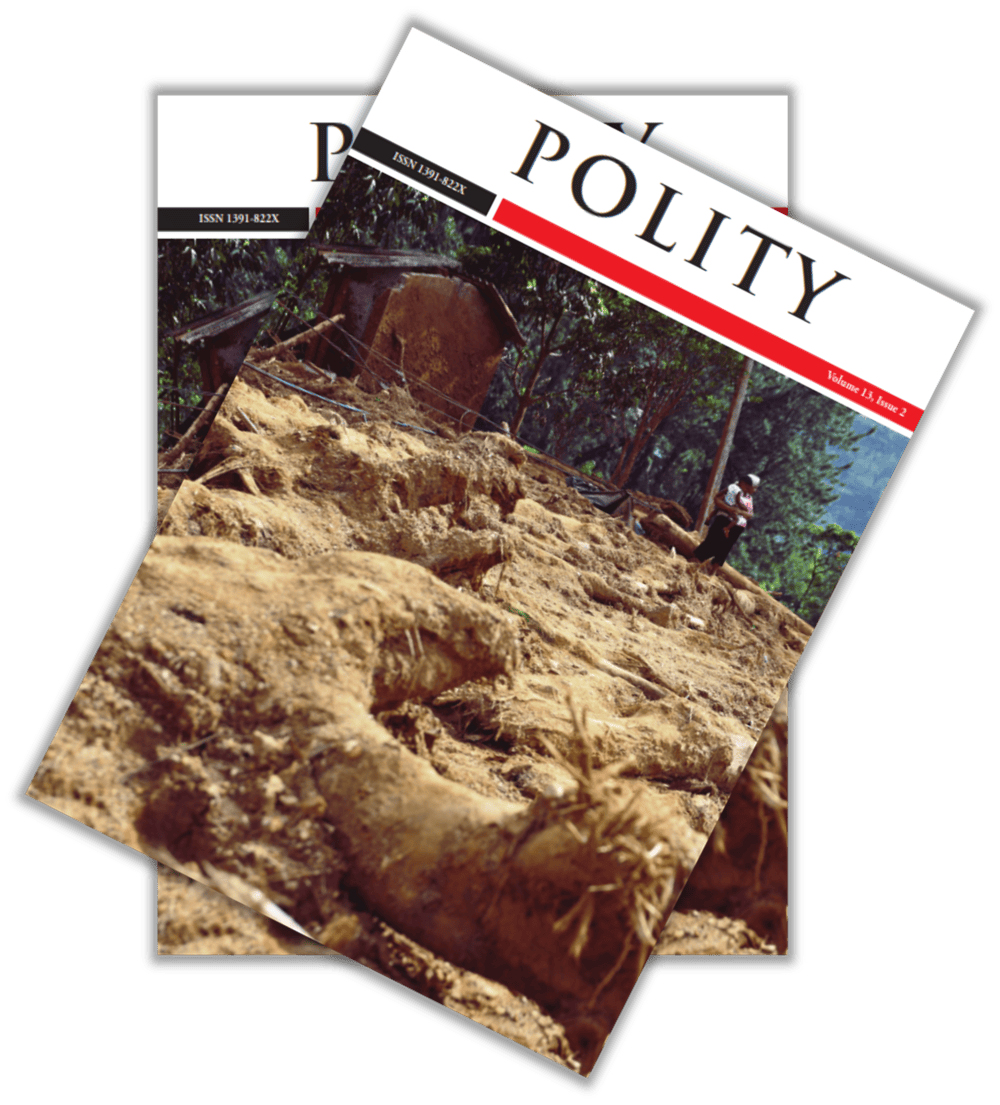
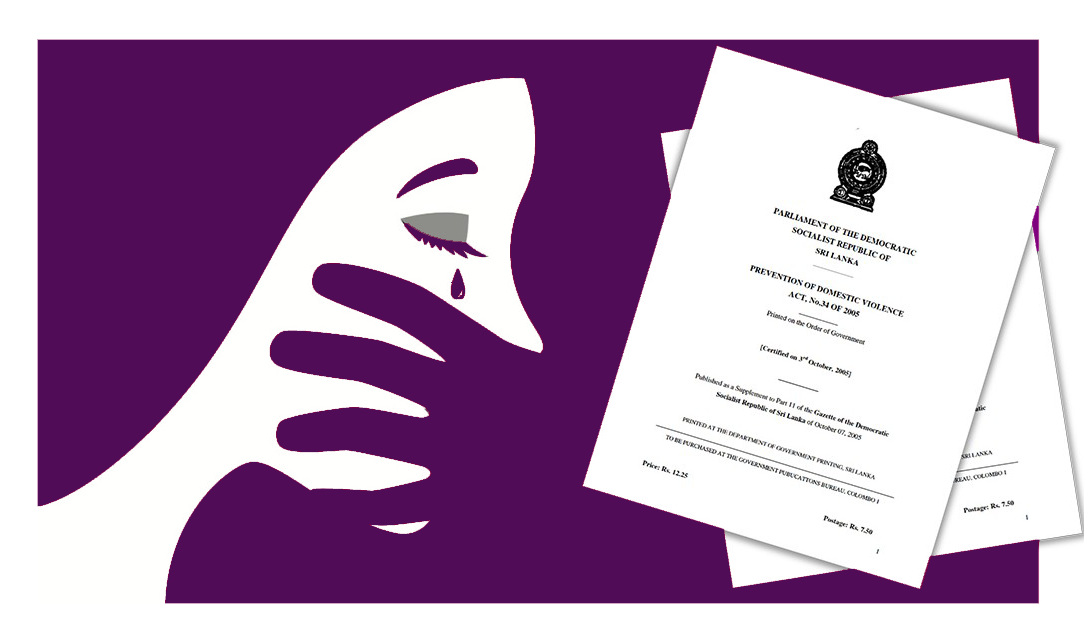
Out Now! Vol. 13 No. 2 (July – December 2025). 148 pages. #SriLanka. Politics. Cyclone Ditwah. Ecology. Feminism. Education. Justice. Domestic Violence Act. History. Culture. Work. Labour. Books. Cover Picture Sakuna M. Gamage. LKR1000 from the Social Scientists’ Association or Barefoot or SLBOOKS.lk.
Calls
Archive
Pravada (1991-2002) and Polity (2003-) back issues available here.

Social Scientists’ Association
The Social Scientists’ Association (SSA) was founded in 1977, at a turning point in Sri Lankan politics, economy, and society, marked by among other aspects: the ‘open economy’ market reforms; deepening ethnic conflict; and the growing concentration of executive power. Its initiators were academics from public universities, seeking an autonomous space to grapple with these shifts; and to promote progressive political, economic, and social change.